
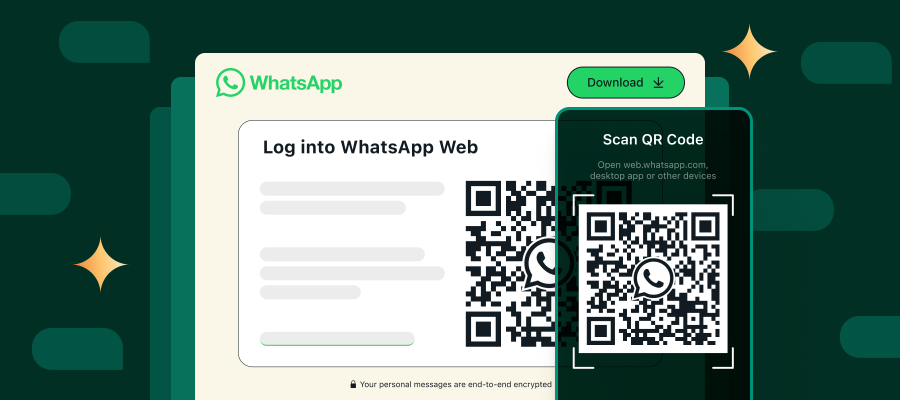
The shift from mobile-exclusive messaging to multi-device workflows has transformed how people communicate daily. For professionals, students, and heavy communicators, keeping a phone in hand while working on a computer creates unnecessary friction. WhatsApp Web solves this by bridging mobile messaging 如何登录WhatsApp网页版 directly into any desktop browser, eliminating the need to constantly switch between devices.
Evolution of Browser-Based Messaging
When first introduced, WhatsApp Web served as a basic mirror of a user’s mobile app, requiring the smartphone to remain active and connected to the internet at all times. Modern architectural updates have completely changed this framework.
The platform now relies on an independent multi-device structure. Users can link up to four companion devices—including browsers, tablets, and desktop apps—while keeping their primary smartphone offline for up to 14 days. Each browser session maintains its own end-to-end encrypted connection, ensuring chat histories synchronize seamlessly without compromising data privacy.
Core Features and Capabilities
Recent updates have packed WhatsApp Web with robust utilities that rival standalone native applications:
- Natively Integrated Calling: Users can make and receive one-on-one and group voice and video calls directly inside browsers like Chrome, Edge, or Safari without installing separate software.
- Expanded File Management: You can drag and drop media, documents, and archives up to 2GB in size straight into your browser threads.
- Meta AI Integration: The built-in assistant allows users to draft responses, brainstorm ideas, request writing modifications, or generate custom images using text prompts right inside chat windows.
- Enhanced Privacy Controls: Features like Chat Lock sync directly from your mobile device, hiding sensitive conversations behind a custom secret passcode on your computer screen.
Secure Practices for Browser Use
Because web browsers run on various hardware setups—including shared office terminals and public computers—maintaining account security requires mindful habits.
Always verify that you are scanning official authentication codes via the authentic address (web.whatsapp.com) to avoid malicious phishing clones. Additionally, remember to manually log out of public sessions or rely on automatic security timeouts. Implementing Two-Step Verification on your primary mobile account ensures that unauthorized link attempts are blocked instantly.


Leave a Reply